
Fogjet
Use
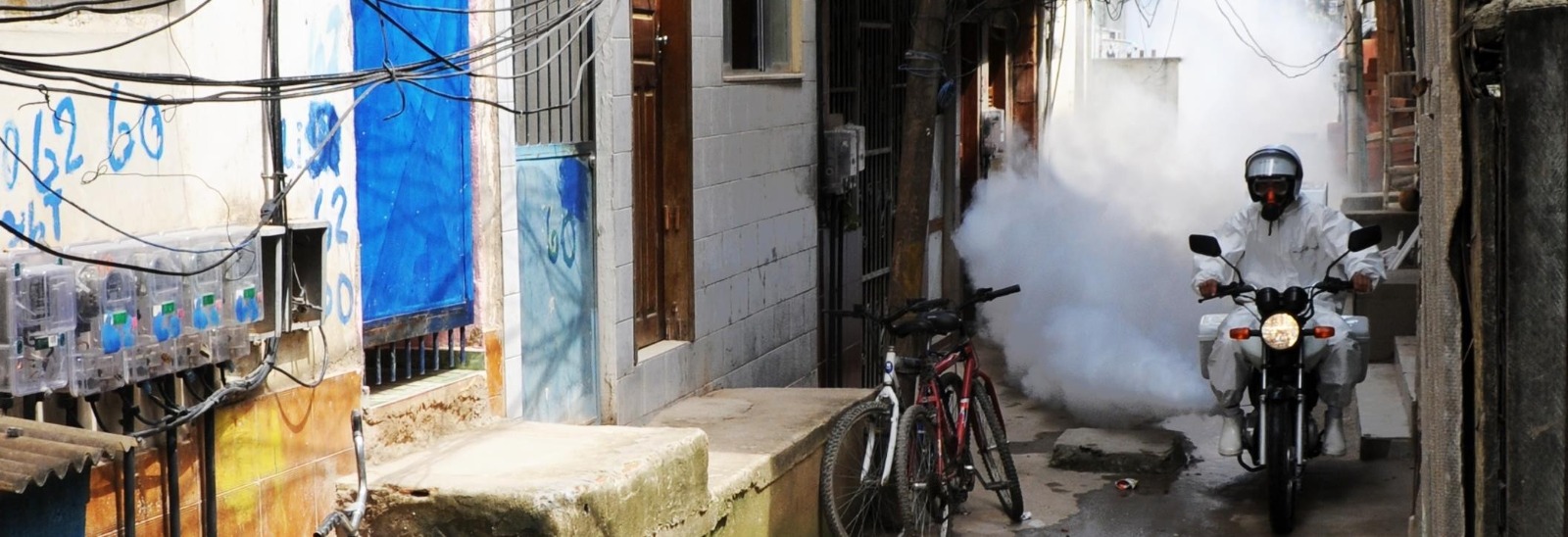
In Public Health
1) Dengue and Yellow Fever (Aedes Aegypti and Aedes Albopictus), Malaria (Anopheles sp), Nile Disease (Culex sp), Stilts, Blackflies, among others;
2) Insect extermination in sewage networks, manholes, and underground
in general.
In agriculture and livestock:
Control of ants in sugarcane fields, termites, pastures and reforestation, including areas of difficult access.
In urban and industrial areas:
Against insects, fungi, bacteria, etc.
In the extermination of:
Port areas, plants, sheds, warehouses, industries, garages, residences, among others.
Benefits
Financial Advantages
Low acquisition costs.
Only one operator;
Simple, cheap, and fast preventive and corrective maintenance;
Low tax rates (IPVA and others);
Low fuel consumption and significant autonomy.
Operating Advantages
Use in agricultural and urban areas;
Simplicity in system calibration;
Ease of maintenance;
Ease of transport and shipping to remote locations;
Operation in terrains of difficult access (ex.: plantations, irregular terrains, alleys, alleys, etc.);
Great autonomy of work;
Total operator protection;
Simple and easy refill.
Socio Economic
Feasibility of use in needy areas;
Reduction of disease transmission rates in the population;
Improved health of the population;
Operator health protection;
Ease of access for micro and small farmers to combat pests.
Ecological Advantages
70% less polluting than the smoke car;
Low fuel consumption;
Low tire consumption.
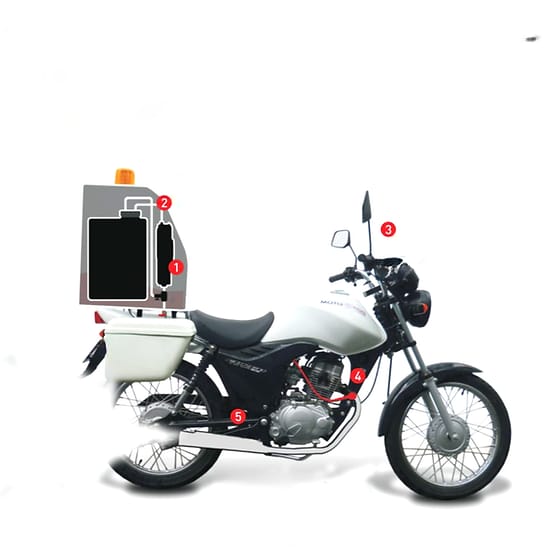
Technical Characterstics
- Type: Fogjet
- Flow Control: Digital
- Droplets: Less than 15µm
- Capacity: 25 Liters